

课程咨询热线
132-6165-3514
课程咨询热线
132-6165-3514
发布时间:2026-06-30 16:58阅读次数:次编辑:大喜老师
分子间作用力(范德华力)与氢键是解释物质物理性质(如沸点、熔点、溶解度)差异的关键。在四大考局中,该知识点是高频考点,几乎每年必考。
CIE:偏爱沸点比较的综合性题目,尤其喜欢考查水(H₂O)与硫化氢(H₂S)等第16族氢化物的沸点反常现象,并要求从分子间作用力类型和强度进行详细解释。
Edexcel:常将分子间作用力与“相似相溶”原理结合,考查对有机物溶解度的解释,或比较直链烷烃与支链烷烃的沸点差异。
AQA:非常重视氢键的识别及其对物理性质(如沸点、粘度、密度)的具体影响,题目往往要求画出氢键的示意图。
OCR:考查范围较广,可能涉及所有类型的分子间作用力,偶尔会考查永久偶极-诱导偶极作用力(如I₂在非极性溶剂中的溶解)。
下面,我们将按考局分组,精讲典型真题。
英文原题:
The boiling points of the hydrides of Group 16 elements are shown below.
(a) Explain the trend in boiling points from H₂S to H₂Te.
(b) Explain why H₂O does not follow the trend in (a).
中文翻译:
第16族元素氢化物的沸点如下表所示。
(a) 解释从H₂S到H₂Te的沸点变化趋势。
(b) 解释为什么H₂O不符合(a)中的趋势。
英文解答:
中文点评:
核心考点:氢键导致的沸点反常现象,以及范德华力随分子大小变化的趋势。
答题关键:
1. 必须明确指出H₂S到H₂Te之间主要的分子间作用力类型(永久偶极-偶极和伦敦分散力)。
2. 解释趋势时,要关联分子尺寸/电子云大小与伦敦分散力强度。
3. 解释H₂O时,必须明确写出“氢键”这个术语,并说明其形成的条件(H与高电负性的O、N、F相连)和相对强度。
常见错误:将H₂S等分子间的力错误地描述为“共价键”或忽略伦敦分散力的作用;在解释H₂O时,只写“分子间作用力强”而不指明是“氢键”。
英文原题:
Methanol (CH₃OH) and methoxymethane (CH₃OCH₃) are structural isomers.
(i) State the strongest type of intermolecular force present in liquid methanol.
(ii) State the strongest type of intermolecular force present in liquid methoxymethane.
(iii) Methanol has a much higher boiling point than methoxymethane. Explain this difference in terms of the intermolecular forces you have stated in (i) and (ii).
中文翻译:
甲醇(CH₃OH)和甲醚(CH₃OCH₃)是同分异构体。
(i) 指出液态甲醇中存在的最强分子间作用力类型。
(ii) 指出液态甲醚中存在的最强分子间作用力类型。
(iii) 甲醇的沸点远高于甲醚。用你在(i)和(ii)中所述的分子间作用力解释这一差异。
英文解答:
中文点评:
核心考点:根据分子结构判断最强分子间作用力,并据此比较物理性质。
答题关键:
1. 必须准确识别官能团:甲醇有O-H键,能形成分子间氢键;甲醚只有C-O键,不能形成分子间氢键(没有与O、N、F直接相连的H),最强的是偶极-偶极力。
2. 解释差异时,必须直接比较两种力的相对强度。
常见错误:将甲醚中的力也误判为氢键;在解释时只重复力的名称,而不进行强度比较。
犀牛国际教育扎根国际教育赛道多年,具备丰富的Alevel课程辅导经验
犀牛教育Alevel培训一对一更多详情可点击右下角网站客服即可在线咨询
✅三大考局全覆盖
CAIE、爱德思、AQA 全考局授课,不管你报哪个局都能对应辅导
✅ 名师团队坐镇:平均教龄 5 年以上,熟悉各大考局出题规律,擅长短期提分
✅一站式服务
从报名指导→备考规划→知识点精讲→真题刷题→模考测评,全程跟进,不用你操心任何流程问题
犀牛教育在上海(徐汇、浦东、黄浦、闵行)、北京(国贸、海淀、顺义)、广州、深圳(福田、南山)、苏州、杭州、成都、重庆、南京、青岛、无锡、武汉、合肥、宁波、天津、常州、中国香港、新加坡等均开设线下校区;
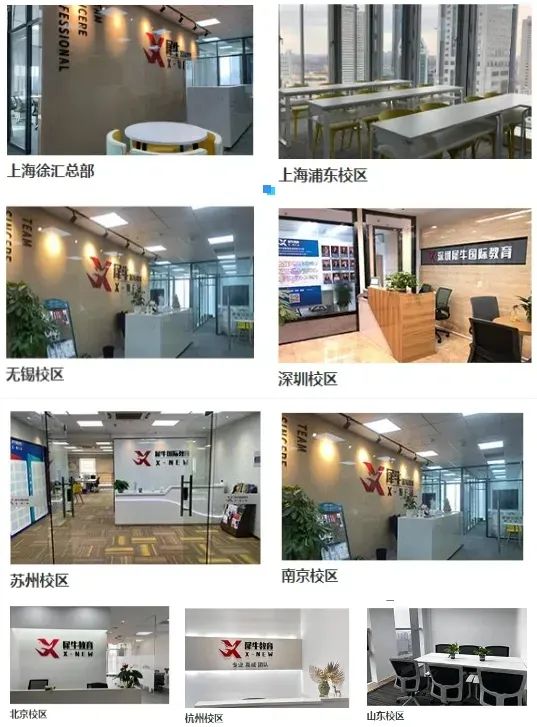
不方便去线下上课的同学们也可以选择线上直播课,直播结束后会生成回放,方便同学们回顾学习
国际竞赛 · 国际课程 · 语言培训 · 留学规划
💬 客服随时在线,欢迎拨打犀牛教育官网联系电话
📍 犀牛国际教育校区地址:上海、北京、深圳、广州、苏州、杭州、合肥、无锡、南京、武汉、成都、重庆、常州、宁波、天津、青岛、香港、新加坡、美国等




2026-04-28 浏览:1031
2026-02-02 浏览:957

2026-04-29 浏览:921
2026-02-26 浏览:920
2026-02-27 浏览:920
2026-02-27 浏览:918

2026-02-26 浏览:917
2026-04-20 浏览:909
联系我们
132-6165-3514
版权所有:Copyright © 2024- 犀牛国际教育总部 版权所有 备案号 沪ICP备2024045959号-1

免费热线
免费咨询电话
微信咨询
微信扫一扫